Storm Just Rolled Through Your Neighborhood? Read These Roof Damage Signs Before They Spread
August 30, 2026
Quick Answer: After a storm passes through your part of Pennsylvania, walk the perimeter of your home and check the gutters, the yard, and the ceilings before you assume everything is fine. Look for shingle granules collecting at the downspouts, torn or lifted shingle edges visible from the ground, dented or dinged gutters and flashing, and any new water spots on ceilings or attic sheathing. Wind and hail damage doesn't usually show up as an obvious hole. It shows up as small cracks, loosened seals, and bruised material that get worse with the next storm. Catching those early signs is what keeps a repair small instead of letting it turn into a much larger project once moisture has had weeks to work its way into the decking.
Why Storm Damage Is Easy to Miss
A summer thunderstorm rolling through Southampton or Warrington can be over in twenty minutes. Once the sky clears, most homeowners never look up. That's the problem. Roof damage from wind, hail, and falling debris rarely announces itself the way a broken window does. Shingles lose their protective granules, flashing shifts a fraction of an inch, a seal cracks, and none of it is visible from the driveway.
The National Weather Service classifies a severe thunderstorm as one that produces hail at least an inch across, roughly the size of a quarter, or wind gusts of 58 miles per hour or higher. The strongest storms in this region can push gusts well past 100 miles per hour. Those numbers matter because an inch of hail sits right around the threshold where asphalt shingles start showing real damage, and a 58 mile per hour gust is more than enough to lift a shingle edge that has already lost some of its adhesive bond. A storm doesn't need to make the evening news to leave your roof worse off than it was that morning.
Older suburban homes throughout this area carry an extra risk. Roofs that have already been through a decade or more of Pennsylvania winters have brittle shingles and aging sealant, so a storm that a newer roof shrugs off can be the one that finally cracks a weakened detail. A quick check after any significant wind or hail event is worth the ten minutes it takes.
Shingle Damage: What Wind and Hail Leave Behind
Shingles take the brunt of most storms, and they fail in a few recognizable ways depending on whether wind or hail did the damage.
Wind-Lifted and Torn Shingles
Strong gusts get underneath a shingle edge and work it back and forth until the seal strip breaks. Once that bond is gone, the shingle can flap in the next wind event, crease along its length, or tear off completely. From the ground, look for shingles that appear to sit at a slightly different angle than the ones around them, dark rectangular patches where a shingle is missing entirely, or curled edges catching the light differently than the rest of the roof plane. Wind damage tends to cluster on the side of the roof that faced the storm, so check the windward slope first.
Hail Bruising and Granule Loss
Hail damage is subtler and easier to overlook. A hailstone strikes a shingle and knocks loose the protective mineral granules, leaving a soft, dark bruise where the underlying asphalt is exposed. That bruised spot loses its UV protection and starts breaking down faster than the rest of the shingle, even though it may not leak right away. Roofing crews typically assess hail damage by examining representative test squares across each slope of the roof, since wind direction during the storm means one side often takes a heavier hit than the others. From the ground you will not see individual bruises, but you may notice a dusting of granules that washed down and collected in the gutters or at the base of a downspout.
TIP: After any hail or high-wind event, check the bottom of your downspouts and the low spots in your gutters for a buildup of dark, sandy granules. A small amount is normal over time as any roof sheds granules gradually, but a fresh, noticeable pile right after a storm is one of the clearest early signs that your shingles took a hit worth having inspected.
Flashing, Vents, and Small Details That Fail First
A storm doesn't stop at your shingles. The metal and rubber components that seal the transitions on your roof are often more vulnerable than the shingle field itself, because they rely on caulk, adhesive, and mechanical fasteners rather than the layered, self-healing design of a shingle roof.
Flashing around chimneys, skylights, and roof valleys can shift or bend under strong wind, breaking the seal that keeps water out even if the metal itself looks intact. Pipe boots and vent seals, the rubber collars that wrap around plumbing stacks and exhaust vents, crack easily when debris strikes them or when repeated flexing in high wind works the material loose. Ridge vents and soffit vents can get dented or partially torn free during a strong storm, and that damages the seal along with the airflow they're supposed to provide.
None of these components are large. That's exactly why they get overlooked. A homeowner scanning the roofline for missing shingles can walk right past a cracked pipe boot or a lifted piece of valley flashing, and that small opening is often where the next heavy rain finds its way in.
Signs You Can Spot From the Ground
You don't need to climb a ladder to catch most early warning signs. A careful walk around the exterior of your home after a storm tells you a great deal.
Start at the gutters and downspouts, checking for dents from hail impacts and for the granule buildup mentioned earlier. Move along the roofline itself, looking for shingles that appear out of alignment, torn, or missing, along with any exposed nail heads that should be covered. Check the yard and any hard surfaces like the driveway or patio for shingle fragments, granules, or pieces of flashing that blew loose. Look at any downspout extensions, gutter guards, or window screens for dents that confirm hail size and intensity, since those softer materials often show impact damage more clearly than shingles do. Finally, look up at the soffit and fascia boards under the roof edge for any new gaps, splits, or sagging that were not there before the storm.
Taken together, these ground-level signs give you a reasonable picture of whether the storm was strong enough to have damaged the roof, even before a closer inspection confirms the extent.
Signs Inside the House That Point to Storm Damage
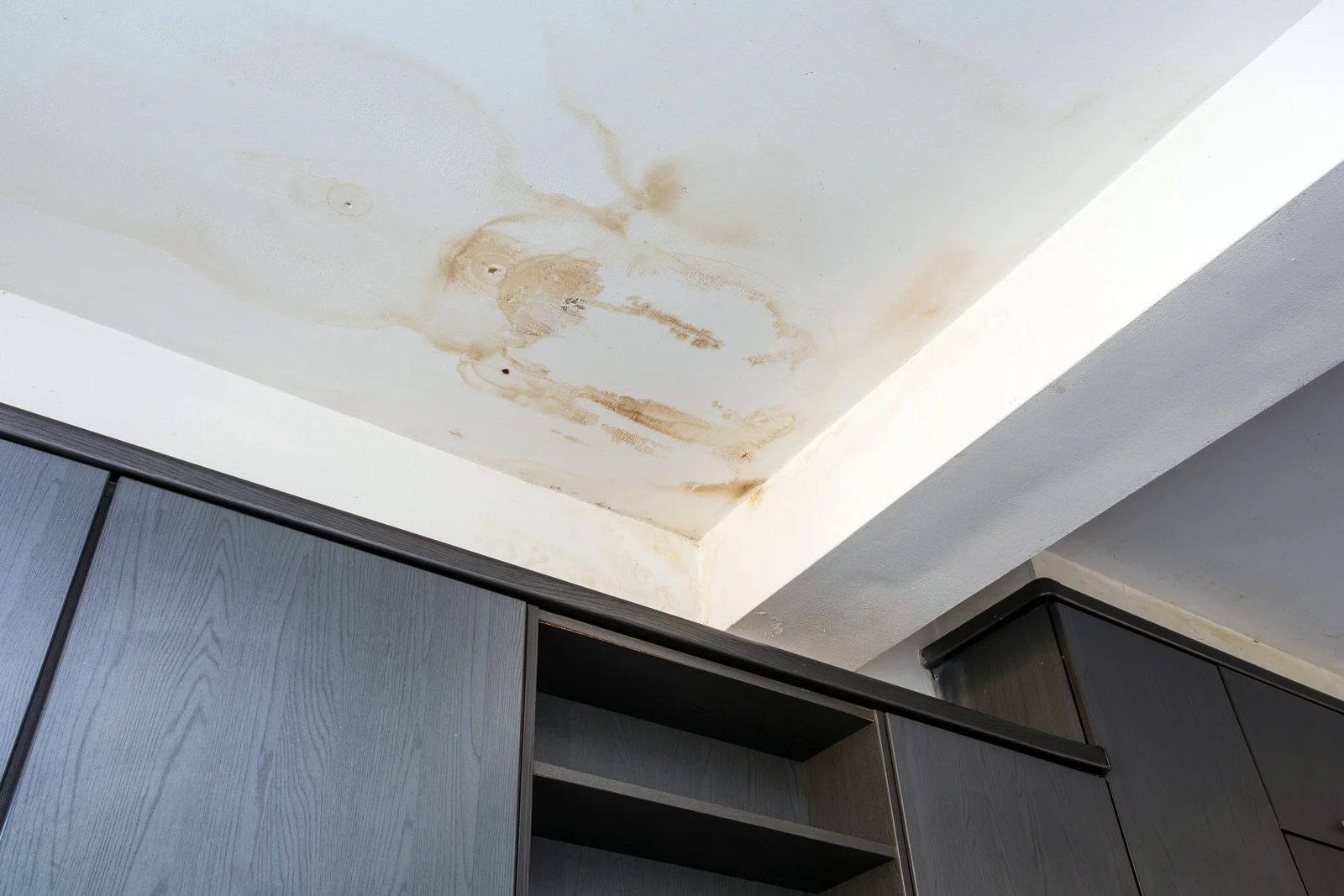
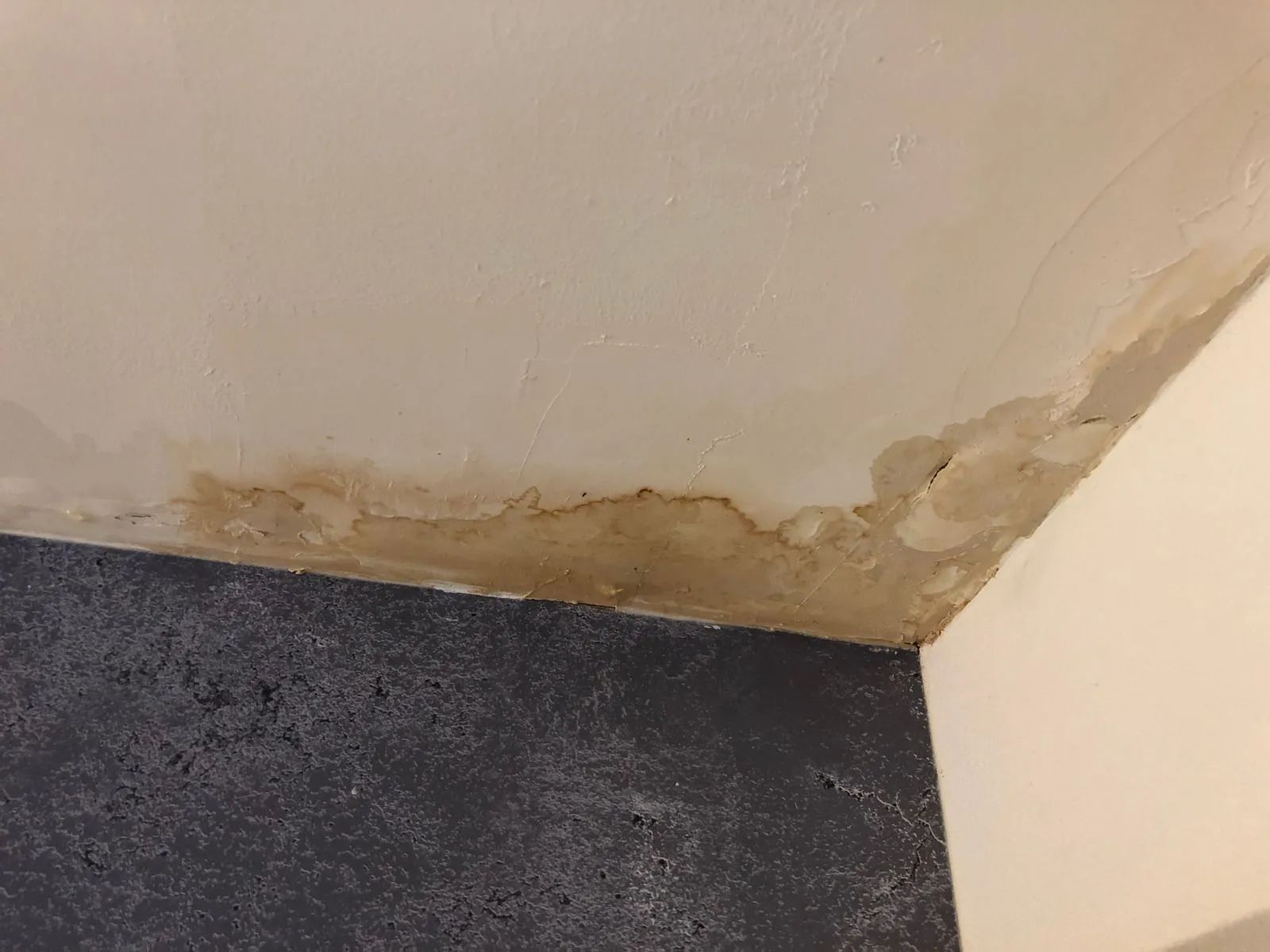
Some storm damage only shows up once you go inside. Attic access is the most valuable spot to check, since daylight visible through the roof decking, damp or matted insulation, or dark streaks on the underside of the sheathing all point to a breach that started outside. A musty smell in the attic that wasn't there before is another signal worth chasing down, since trapped moisture develops that odor quickly, often before a visible stain ever forms on the ceiling below.
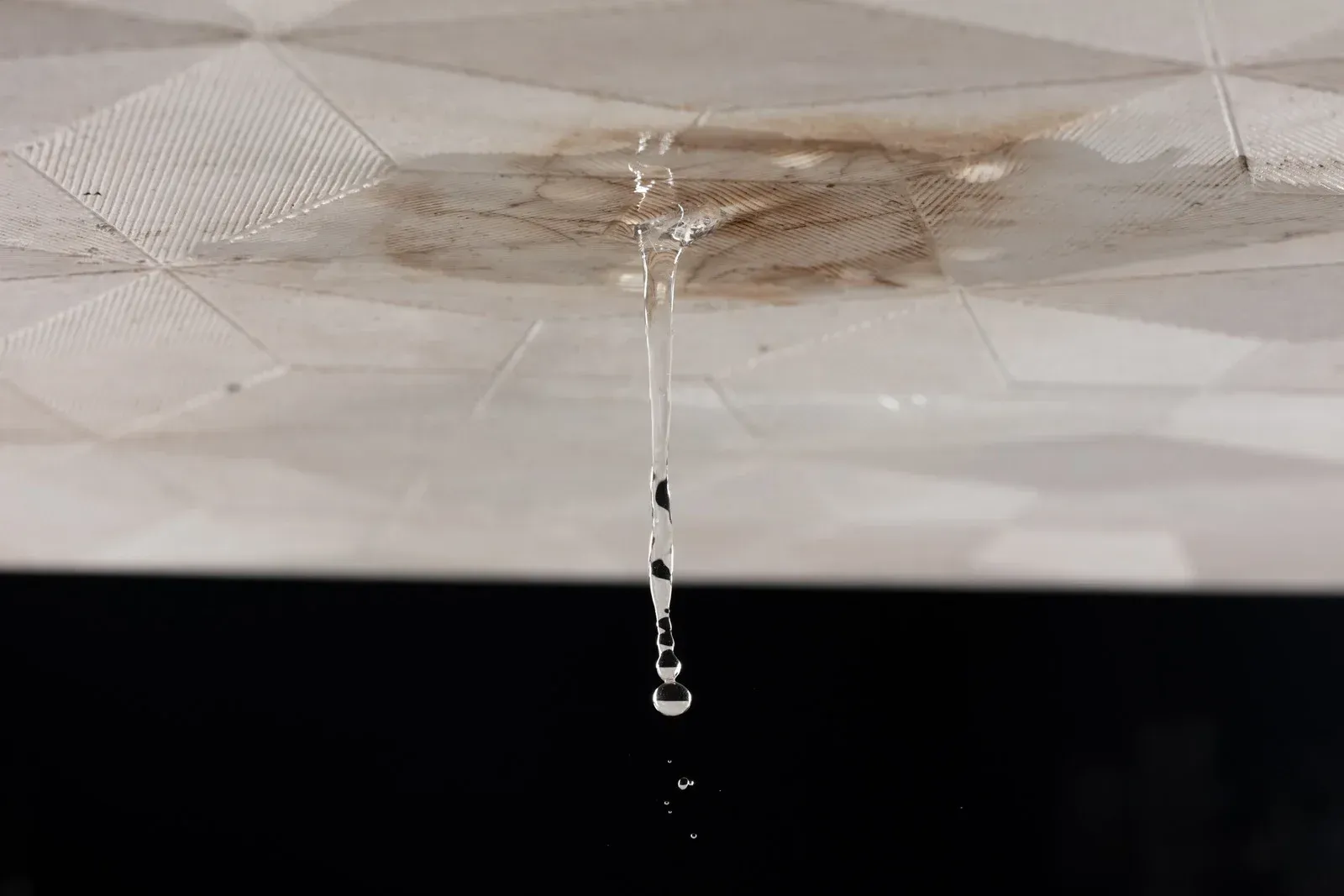
Inside the living space, watch the ceilings and upper walls closest to the exterior for new discoloration, soft spots, or bubbling paint in the days and weeks following a storm. Water that entered through a cracked flashing or torn shingle doesn't always drip right away. It can travel along framing and decking for a while before it finally shows up as a stain. A ceiling that looks fine the day after a storm isn't a guarantee that nothing happened.
Debris Impact and Structural Concerns
Wind-driven debris causes a different kind of damage than hail or wind alone. Tree limbs, loose gutters from a neighboring property, and airborne construction materials from nearby projects can all strike a roof hard enough to puncture shingles or crack the decking underneath. This type of damage tends to be more concentrated and more severe than typical wind or hail wear, and it deserves prompt attention because a puncture creates a direct path for water rather than a gradually developing weak spot.
WARNING: Don't walk out onto a roof yourself to check for debris damage after a storm, especially if the surface is wet or a large limb or heavy object is still resting against the roofline. Storm-weakened decking can give way under weight that a sound roof would easily support, and wet shingles are far more slippery than they look. Leave the close-up inspection of any suspected structural damage to a professional who has the right equipment and training to move safely across a compromised roof.
If a large branch or object struck your roof, take note of where it landed and whether you can see any sagging in that section of the roofline from the ground, but let a trained crew handle the physical inspection and any temporary protection that might be needed until repairs are complete.
What Happens If Storm Damage Goes Unaddressed
Roof damage from a storm rarely stays the same size. A bruised shingle that lost its granules continues to break down every time the sun hits it, and a lifted shingle edge catches more wind with every subsequent storm until it tears away completely. A cracked pipe boot or shifted flashing lets in a small amount of moisture at first, but that moisture saturates the underlayment and decking over time, eventually leading to soft spots, sagging, and interior staining that is far more disruptive to correct than the original damage would have been.
Ventilation and insulation problems compound the issue. Once water reaches the attic space, it can dampen insulation and reduce its effectiveness, which in turn makes it harder to keep the roof deck at a stable temperature through Pennsylvania's freeze-thaw cycles. A roof that is already stressed from storm damage is more vulnerable to the next round of ice and snow load that winter brings, which is one more reason to
address storm-related issues in the season they happen rather than waiting.
When to Call for a Professional Inspection
Any time a storm produces hail, sustained winds strong enough to move patio furniture or snap small branches, or visible debris impact on your property, it's worth having the roof looked at by someone trained to spot the subtler signs of damage. A professional inspection covers the shingle field, all flashing and vent penetrations, the gutters and drip edge, and the attic interior, checking for the kind of damage that's easy to miss from the ground or that hasn't yet progressed to an interior leak.
Even without obvious signs from your walk around the yard, a roof that has weathered a significant storm benefits from a closer look. Hail bruising in particular can take months to fully develop into a leak, so an inspection soon after the storm gives you a clear picture of what needs attention now versus what can just be monitored over the coming seasons.
Is it safe to mount a TV over a fireplace?
Yes, with the right precautions. Heat off the firebox, wall structure, and viewing angle all need checking first. A gas or electric unit with managed heat can run for years. Wood-burning fireplaces with no heat plan cause trouble.
How far above the fireplace should the TV be mounted?
A common range is 8 to 12 inches between mantel top and screen bottom, though it shifts with your fireplace and wall height. The hotter the unit, the more clearance you want, keeping the screen above rising heat.
Can the heat from my fireplace really damage a TV?
It can, usually slowly. Most sets are rated up to 100-104 degrees, and unmanaged fireplace walls can climb past that. Over time this shows as dead pixels, a warped bezel, or shutdowns. Managing heat prevents it.
Do I need a special mount for a TV over a fireplace?
Most of the time, yes. A fixed mount aims the screen over your head. A tilting mount angles down toward viewers; full-motion arms pull out and down. The right choice depends on screen size and wall height.
Can I hide the wires if my fireplace is brick or stone?
It's harder than drywall but doable. Masonry rarely has an open cavity, so the path must be planned before mounting. Options range from in-wall routing to low-profile surface channels. Mapping the route first avoids disruptive retrofits.
Should the TV be bigger or smaller than the fireplace?
As a rule, match the firebox width or go slightly smaller, keeping the wall balanced. Oversized panels over narrow hearths are common now, but proportion makes the wall read as one clean focal point, not competing elements.
Frequently Asked Questions
How soon after a storm should I have my roof checked?
Schedule a roof inspection within one to two weeks after most storms, or sooner following heavy hail, strong winds, or falling debris. Prompt evaluation helps identify hidden damage before moisture reaches the decking and causes more extensive deterioration.
Can a roof have storm damage even if I don't see any leaks yet?
Yes. Storm damage often begins as granule loss, hail bruising, or cracked flashing that remains hidden for weeks before leaking. A dry ceiling does not always mean the roof escaped damage, making early inspection worthwhile.
Is hail damage always obvious once you know what to look for?
No. Hail damage is often subtle, appearing as small bruises or granule loss rather than obvious holes. Because impacts vary across roof slopes, significant damage may exist even when it is difficult to spot.
What should I do if I see a shingle in my yard after a storm?
Keep the shingle if possible, as it may help identify the damaged roof section and assist with matching replacements. A missing shingle often indicates surrounding materials also experienced wind stress and should be evaluated.
Understanding Storm Damage Before It Grows
For more than 15 years, Uncle Al's Roofing has seen how storms across Southampton and Huntingdon Valley, PA leave behind damage that often looks minor at first but gradually develops into larger roofing concerns. Most issues begin with small changes such as loosened shingles, displaced flashing, or hidden hail bruises that remain unnoticed until repeated rain and seasonal weather expose the underlying problem. Recognizing those early warning signs gives homeowners a better opportunity to preserve the roof's overall condition.
Storms are unavoidable, but the long-term impact they have on a roof depends largely on how quickly damage is identified and understood. A careful inspection of both the exterior and interior after significant wind, hail, or falling debris helps reveal problems before moisture spreads deeper into the roofing system. Developing the habit of checking for subtle changes after severe weather supports better maintenance decisions and helps extend the service life of the entire roof assembly.